
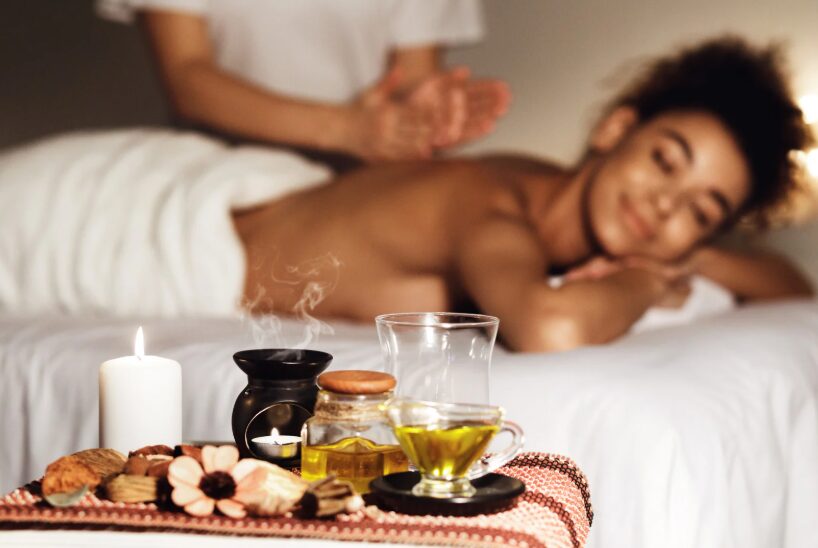
Why Aromatherapy Massage Does More for Your Body Than You Might Think
Most people walk into an aromatherapy massage expecting a pleasant scent and a relaxing hour on the table. What they often leave with is something considerably more: lower stress hormones, looser muscles, a calmer mind, and in some cases, relief from symptoms they had been quietly managing for years. Aromatherapy massage is one of those treatments that sounds like a luxury and turns out to be surprisingly therapeutic, which is why clients at Oak Haven Massage often book a second session before they leave the first.
At its core, aromatherapy massage pairs skilled bodywork with carefully chosen plant-based essential oils. The combination works on two fronts at once, engaging the nervous system through scent and the muscular system through touch. The results go well beyond relaxation, which is what makes this treatment worth a closer look for anyone dealing with chronic stress, poor sleep, lingering tension, or just the quiet fatigue of modern life.
What Is Aromatherapy Massage?
Aromatherapy massage is a therapeutic treatment that blends traditional hands-on bodywork with essential oils extracted from flowers, leaves, bark, roots, and resins. During a session, your therapist applies diluted essential oils to the skin using a neutral carrier oil such as jojoba, sweet almond, or grapeseed. Many therapists also diffuse oils into the air throughout the session, so the scent surrounds you as you receive the massage.
The oils are not chosen at random. Each essential oil has its own therapeutic profile, with effects ranging from deeply calming to clarifying and invigorating. A good therapist selects oils based on a short conversation about how you are feeling that day, what you want to address, and any sensitivities you need to avoid. This customization is part of what separates a true aromatherapy massage from a standard session with lightly scented lotion.
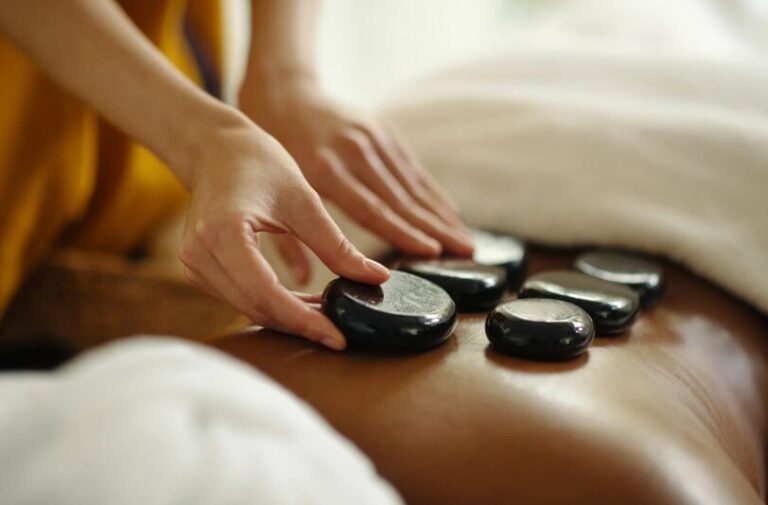
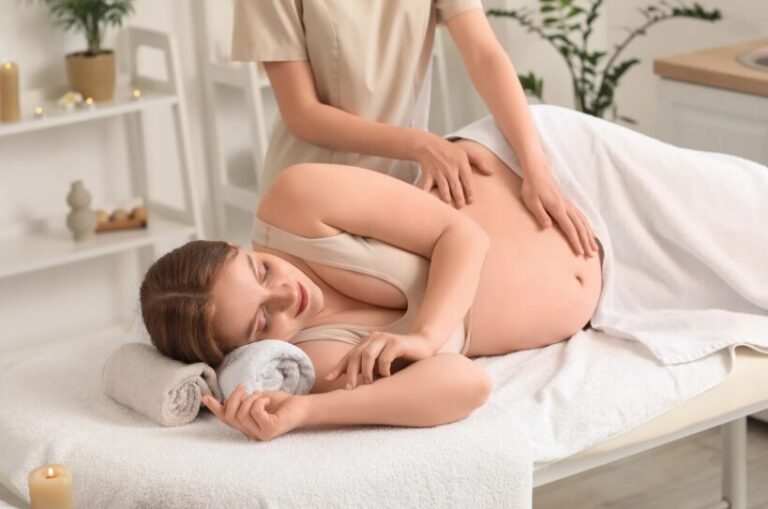
Aromatherapy can be added to many different massage styles, including Swedish, deep tissue, prenatal, and hot stone. The style you choose determines the pressure and pace, while the essential oils shape the emotional and physiological experience.
The Science Behind How It Works
Aromatherapy massage affects your body through two pathways that work together: inhalation and skin absorption. When you breathe in the aromatic molecules, they travel through your nose to the limbic system, the part of the brain that governs mood, memory, and emotional response. That is why a single breath of lavender can slow your thoughts within seconds, and why peppermint can sharpen your focus almost as quickly.
The second pathway is dermal. Diluted essential oils penetrate the skin, where their active compounds enter the bloodstream gradually. Research on lavender oil has found that its main compounds can be detected in the blood within five minutes of application and peak around twenty minutes in. This means the benefits continue long after the session ends.
Touch itself already activates the parasympathetic nervous system, which shifts the body from fight or flight mode into rest and repair. Adding essential oils deepens that shift. Studies have shown that aromatherapy massage can reduce serum cortisol levels more effectively than massage alone, and multiple trials have linked it to measurable drops in anxiety scores. The combination creates a compound effect that neither bodywork nor aromatherapy produces on its own.
Physical Benefits That Might Surprise You
Most people expect an aromatherapy massage to feel good. What they do not always expect is how much physical work it quietly does. The essential oils used in most sessions have documented anti-inflammatory, analgesic, and circulation-boosting properties, which extend the benefits of the massage itself.
Muscle tension and soreness often respond well to aromatherapy. Oils like peppermint, eucalyptus, and rosemary can ease aches, reduce swelling, and support recovery after physical exertion. If you have been carrying tight shoulders from long hours at a desk or sore legs from weekend runs, the right oil paired with the right technique can accelerate how quickly your muscles bounce back. This is why many clients choose to add aromatherapy to a deep tissue massage, where the oils enhance the pressure work rather than compete with it.
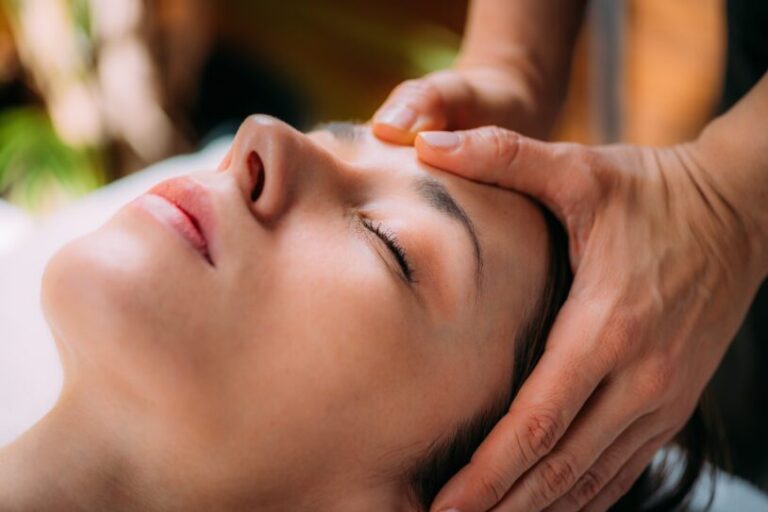
Headaches and migraines are another area where aromatherapy can do real work. Peppermint and lavender applied to the temples and neck have both been shown to reduce headache intensity, and scalp-focused massage with these oils can interrupt tension patterns before they escalate. Aromatherapy massage also tends to improve circulation, support lymphatic flow, and ease congestion, which are meaningful benefits during allergy season or while recovering from a cold.
Mental and Emotional Benefits
The mental and emotional effects of aromatherapy massage are often what surprise people the most. A session can leave you feeling not just relaxed but deeply settled, with a quieter mind and a steadier mood than you walked in with. The limbic system response to scent is fast and powerful, and when combined with an hour of focused, caring touch, the result can feel like resetting an overloaded system.
Anxiety reduction is one of the best-documented effects. Multiple clinical trials have found that aromatherapy massage with lavender, sweet marjoram, or cypress oils significantly lowers state anxiety scores compared to massage without essential oils. Sleep tends to improve too, particularly with lavender, which has a long track record for supporting deeper, more restful sleep patterns.
The mood-lifting effects are worth mentioning on their own. Citrus oils like sweet orange and bergamot have been shown to brighten mood and reduce mental fatigue. For anyone dealing with seasonal low energy, burnout, or the emotional weight of a demanding period, a well-chosen aromatherapy massage can feel like a small but meaningful reset.
Essential Oils and What They Do
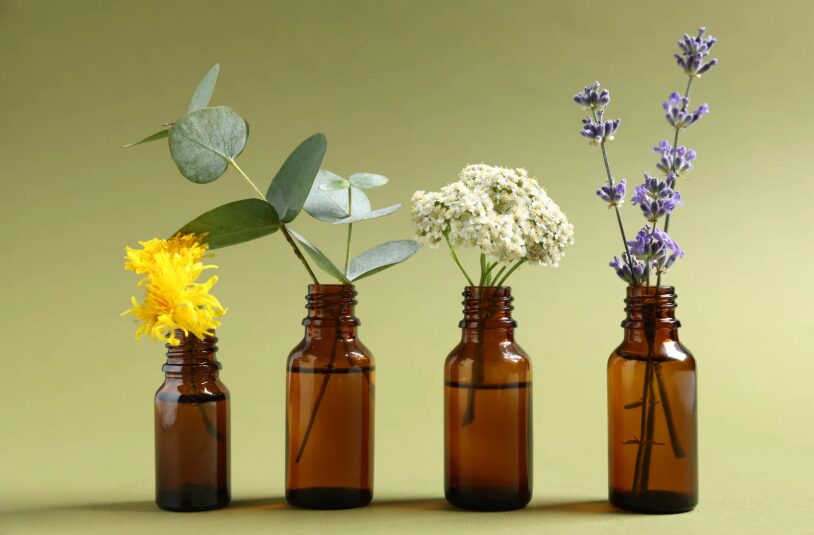
Therapists choose essential oils based on your goals, your preferences, and any contraindications. A few of the most commonly used oils and their typical effects include:
- Lavender: calming, sleep-supporting, and helpful for anxiety and tension headaches
- Peppermint: cooling, energizing, and useful for sore muscles and mental clarity
- Eucalyptus: decongesting, anti-inflammatory, and supportive of respiratory comfort
- Sweet orange: mood-lifting, gently energizing, and reassuring
- Bergamot: uplifting and grounding at the same time, often used for stress
- Rosemary: stimulating and clarifying, popular for mental focus and muscle soreness
- Chamomile: gentle, soothing, and often used for skin irritation or emotional calm
Most therapists blend two or three oils into a synergy rather than using a single oil, since combinations can address multiple needs at once. If you have allergies, skin sensitivities, are pregnant, or take medications that interact with certain plant compounds, tell your therapist before the session so they can adjust accordingly.
What to Expect During an Aromatherapy Session
If you have never booked an aromatherapy massage before, the experience starts with a short intake conversation. Your therapist will ask how you are feeling, what you want to focus on, whether any areas need special attention, and whether you have scent preferences or sensitivities. This is also the time to mention health considerations, medications, or pregnancy.
Next, your therapist may invite you to smell two or three blends and choose the one that feels right. Scent is personal, and an oil that works beautifully for one client may not resonate with another. Once a blend is chosen, the therapist will diffuse it in the room, add it to the carrier oil, or both. The massage itself follows the style you booked, whether that is gentle Swedish, targeted bodywork, prenatal, or another technique.
Most sessions run between 60 and 90 minutes. Afterward, plan to drink water, avoid heavy activity for a few hours, and consider skipping the immediate post-session shower so the oils can continue absorbing. Pairing your massage with a visit to the infrared sauna can extend the relaxation and support circulation even further, which is why many clients book the two back to back.
Who Should Try Aromatherapy Massage?
Aromatherapy massage is well suited to people dealing with stress, anxiety, insomnia, mild to moderate muscle tension, headaches, low mood, or general fatigue. It is also a thoughtful choice for anyone who wants a slower, more sensory experience rather than an intense deep pressure session. Many clients use it as a monthly reset rather than a treatment for a specific complaint.
There are a few situations where extra care is warranted. Pregnant clients should work with therapists trained in prenatal protocols, since some essential oils are contraindicated during pregnancy. People with asthma, severe allergies, or fragrance sensitivities should share those details up front so the therapist can adjust or substitute oils. Children, elderly clients, and people with certain medical conditions may benefit from lower concentrations or unscented carrier oils with minimal essential oil use.
For most people, though, aromatherapy massage is a low-risk, high-reward treatment that fits easily into a broader wellness routine. If you are trying to figure out how to build it into your schedule, our piece on how often you should get a massage offers a useful framework you can apply here as well. A membership can make regular sessions much easier on your budget if you plan to make aromatherapy part of your monthly routine.
Frequently Asked Questions
How is aromatherapy massage different from a regular massage?
The main difference is the use of therapeutic essential oils chosen for their specific effects on your body and mind. A standard massage may use unscented or lightly scented lotion, while aromatherapy massage uses carefully selected oils applied to the skin or diffused in the room. The touch techniques can be similar, but the physiological and emotional impact is typically deeper.
Can I choose my own essential oils?
Yes, and most therapists encourage it. Your therapist will usually offer a short selection of blends designed for different goals, such as relaxation, energy, or pain relief. You are welcome to smell each option and pick what feels right, or let your therapist recommend a blend based on what you describe during intake.
Is aromatherapy massage safe during pregnancy?
It can be, but only with a therapist trained in prenatal massage and knowledgeable about pregnancy-safe oils. Several essential oils are not recommended during pregnancy, especially in the first trimester. Always disclose your pregnancy and any related health considerations when you book so your therapist can plan appropriately.
How long do the effects of an aromatherapy massage last?
Immediate effects such as reduced muscle tension and a calmer mood typically last at least a day or two, and sometimes much longer. The residual aromatic compounds in your skin and bloodstream continue to influence your nervous system for several hours after the session. Regular sessions tend to produce more lasting cumulative benefits than occasional one off appointments.
Will the oils stain my clothes or linger all day?
Essential oils are applied in diluted form, so staining is rarely a problem once the oils have absorbed. A light scent may remain on your skin for a few hours, which most people find pleasant. If you are sensitive to lingering scents, simply shower a few hours after your session.
Can I get an aromatherapy massage if I have allergies?
Often yes, but tell your therapist about all known allergies and sensitivities before booking. Your therapist can substitute oils, lower concentrations, or shift to a fully unscented session if needed. For clients with significant fragrance sensitivities, skipping aromatherapy in favor of a standard massage is always an option.
About Oak Haven Massage
Oak Haven Massage is a therapist owned wellness studio serving the Greater Austin and San Antonio regions with personalized bodywork and expert care. Our licensed therapists train well beyond a basic massage certification, with specialties that include aromatherapy, deep tissue, prenatal, sports, craniosacral, and lymphatic work. You can meet the teams at our Austin MoPac/2222, Austin Pecan Park, and Austin South First studios, where every session is tailored to your body, your goals, and your preferences.
Ready to Experience the Difference?
If you are ready to see what aromatherapy massage can do for your stress levels, sleep, and recovery, our team is here to help you choose the right blend and technique for your needs. Book a session at our San Antonio Bulverde or San Antonio Huebner studio and give your body the reset it has been asking for. Book your appointment online at oakhavenbooking.com.