
Why Athletes in Austin and San Antonio Turn to Sports Massage for Faster Recovery
Walk into any serious training group in Austin or San Antonio and you will hear about sports massage. Marathoners training for the 3M or the Rock ‘n’ Roll, cyclists climbing the Hill Country, CrossFit athletes chasing new PRs, and soccer players grinding through long seasons all find their way to it eventually. There is a reason the practice is so deeply embedded in Texas athletic culture: when your body is under real stress from training, a generic relaxation massage does not always cut it. Sports massage does.
At Oak Haven Massage, we see athletes of every level walk through our doors looking for the same thing. They want to recover faster, hurt less, move better, and stay in training without breaking down. Sports massage delivers on those goals in ways that are both specific and backed by research, and understanding how it works will help you decide when and how often to add it to your routine.
What Makes Sports Massage Different
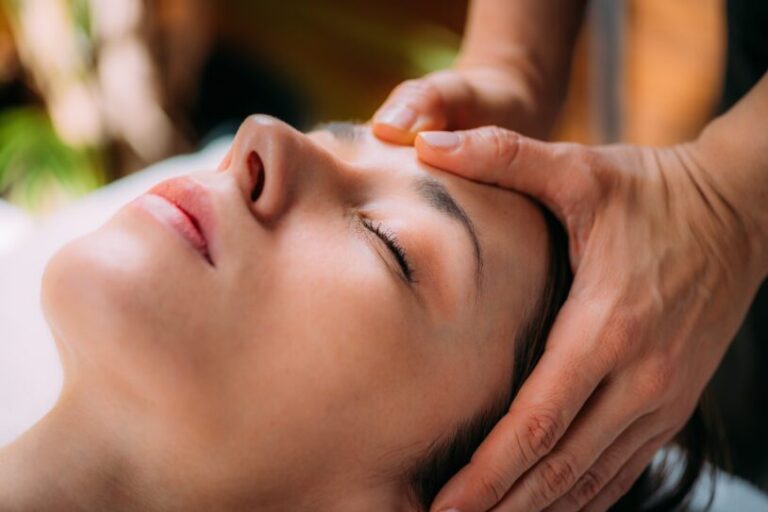
Sports massage is not a single technique but a focused approach that combines several methods to address the needs of people who train hard. A sports massage therapist starts with a conversation about your sport, your training load, your injury history, and your current goals. From there, they design a session around the specific muscle groups and movement patterns that matter for your activity. A runner’s session looks different from a swimmer’s session, which looks different from a lifter’s session.
The pressure ranges from moderate to deep depending on what the tissue needs. Unlike a Swedish massage, which tends to move steadily across the entire body at a consistent pace, sports massage spends more time on key areas and less time on others. Unlike a traditional deep tissue massage, which focuses on releasing chronic tension in specific trouble spots, sports massage targets the muscle groups your sport actually uses and addresses them in the context of how you move.
The session itself often includes assisted stretching, trigger point work, and rhythmic compression alongside the deeper work. You may be asked to move your limb against resistance, breathe in specific patterns, or shift positions during the session. This active involvement is part of why sports massage feels functional rather than purely relaxing.
How Sports Massage Supports Faster Recovery
The research on sports massage has grown significantly in recent years, and the findings are more honest than the marketing sometimes suggests. Massage does not directly improve strength, jump height, sprint times, or endurance, according to a large 2020 meta-analysis of 29 studies. What it does support, and what actually matters to most athletes, is recovery.
A systematic review found that massage reduces delayed onset muscle soreness, commonly known as DOMS, by roughly 13 to 30 percent depending on the study. That is the ache you feel 24 to 48 hours after a hard workout, and it is the single most common reason athletes book sports massage. Less DOMS means you can return to training sooner, with more intensity, and with less chance of favoring one side or compensating in ways that lead to injury.
The flexibility benefit is also real. Sports massage produces small but statistically significant improvements in range of motion, particularly for athletes whose sport demands it. Swimmers, gymnasts, martial artists, and anyone with repetitive overuse patterns often notice immediate changes after a session. Combined with the DOMS reduction, this means you can train more freely the next day.
The less discussed piece is psychological. Studies consistently show that sports massage lowers anxiety, reduces perceived fatigue, improves mood, and increases a client’s subjective sense of being recovered. For athletes preparing for competition or pushing through heavy training blocks, feeling recovered matters almost as much as being recovered. Both influence performance.
The Techniques a Sports Massage Therapist Uses
A skilled sports massage therapist blends several techniques within a single session based on what your body is telling them. Deep tissue work reaches the lower layers of muscle and fascia, which is where chronic tightness from repetitive motion tends to live. Trigger point therapy targets specific knots that radiate pain or restrict movement, applying sustained pressure until the point releases.
Myofascial techniques address the connective tissue that surrounds muscles, since restrictions in fascia can limit movement even when the muscles themselves are healthy. Assisted stretching, which borrows from practices like Thai massage, helps lengthen tight muscles and restore range of motion. Rhythmic compression and vibration are used to flush tired muscles and prepare them for recovery.
The order and emphasis varies by session. A post-event massage focuses on flushing, stretching, and reducing soreness. A pre-event session is lighter, more stimulating, and designed to prepare the muscles without fatiguing them. A maintenance session during a training block might combine deeper work on problem areas with broader flushing of the whole system.
Who Benefits From Sports Massage
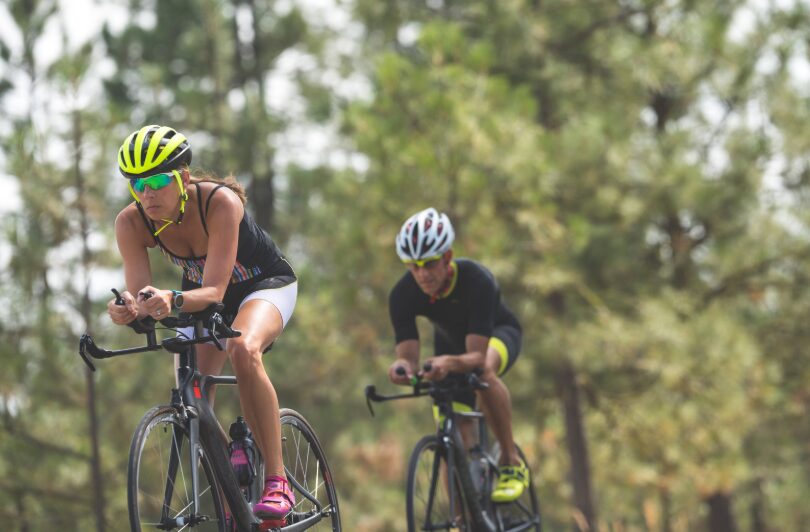
Sports massage is not only for professional or competitive athletes. The broader research includes recreational runners, amateur cyclists, weekend warriors, CrossFit enthusiasts, yoga practitioners, and people with physically demanding jobs. Anyone whose body is under repeated physical stress can benefit from the same recovery support that serious athletes use.
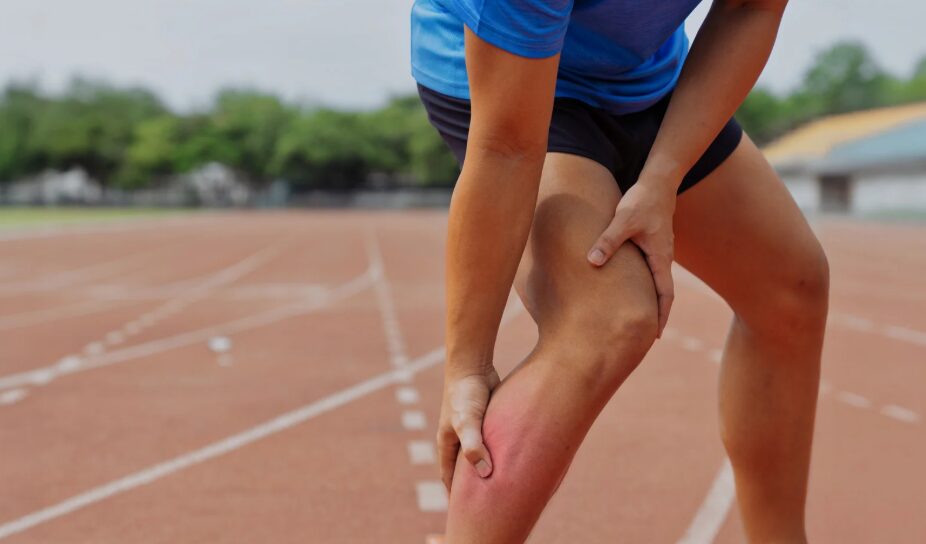
Runners tend to find sports massage especially helpful for IT band tightness, calf tension, plantar fasciitis, and the general overuse patterns that come with high mileage. Cyclists often deal with tight hip flexors, quadriceps, and neck or shoulder tension from long hours in the saddle. Swimmers and throwers benefit from shoulder specific work. Lifters and CrossFit athletes usually need deep work through the back, glutes, and hips. Soccer, basketball, and tennis players see the biggest gains around the ankles, hamstrings, hips, and adductors.
People recovering from sports injuries are another major group. Sports massage works well alongside physical therapy and chiropractic care to support soft tissue healing, scar tissue remodeling, and the restoration of normal movement patterns. Your massage therapist should coordinate with other providers on your team rather than working in isolation.
Pre-Event, Post-Event, and Maintenance Sessions
The three main types of sports massage serve different purposes, and knowing which to book and when can make the difference between a session that helps and one that leaves you flat on race day.
Pre-event sports massage happens anywhere from a few hours to a day or two before competition. It uses light to moderate pressure, brisk strokes, and mobility work to increase circulation, activate the nervous system, and leave the body feeling primed. A good pre-event massage never includes deep or aggressive work; the goal is to prepare, not to break down tissue.
Post-event sports massage happens within a few hours to a day after competition. The focus shifts to reducing soreness, flushing metabolic waste, easing muscular tension, and starting the recovery process as early as possible. Pressure is moderate, and the therapist spends significant time on the muscle groups most affected by your event. Most athletes feel a meaningful difference in the 24 to 48 hours afterward.
Maintenance sports massage is the workhorse of the three. Scheduled regularly during training blocks, these sessions address accumulated tension, correct muscle imbalances before they become injuries, and support consistent training volume. This is the type most athletes book most often, and it is where the cumulative benefits really show up over a season.
When to Add Sports Massage to Your Training Routine
The right frequency depends on your training load and goals. Athletes in heavy training blocks often benefit from weekly sessions, particularly when mileage or volume is peaking. Recreational athletes and lighter training loads can usually maintain benefits with biweekly or monthly sessions. Before and after key events, targeted pre-event and post-event sessions add value on top of your regular maintenance schedule.
Consistency tends to beat intensity. A regular schedule of moderate sessions almost always outperforms occasional deep sessions, because accumulated tension is easier to manage in small increments than in rare marathon fixes. If you are trying to figure out the right cadence, our guide on how often you should get a massage offers a framework you can adapt to your sport and training load.
Pairing sports massage with a visit to the infrared sauna is a combination many Austin and San Antonio athletes swear by. The sauna extends the circulation and relaxation benefits of the massage and supports tissue recovery between sessions. A membership can make a consistent schedule far more affordable, particularly for athletes in peak training who need more frequent sessions than they would otherwise book.
What to Expect From Your First Session
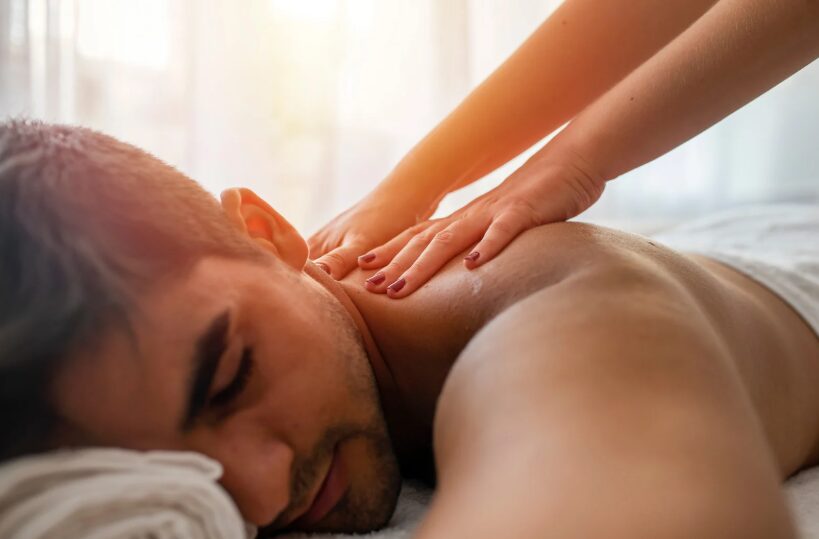
If you have never had a sports massage, expect a longer conversation than you would get at a relaxation focused spa. Your therapist will ask about your sport, your typical weekly training, any current or recent injuries, your competition schedule, and what you want to get out of the session. This intake often reveals patterns even you had not noticed, such as overdeveloped dominant side muscles or chronic compensations from an old injury.
The session itself runs 60 to 90 minutes for most athletes. You will undress to your comfort level, with draping handled professionally throughout, and the therapist will work through the muscle groups your sport emphasizes. Expect more pauses, more communication, and more active participation than in a Swedish session. Tell your therapist when pressure feels productive versus when it starts to feel like bracing.
After the session, drink water, move gently, and plan to feel somewhat worked over for the next 24 hours. Mild soreness is common after deep work, particularly during your first few sessions. It usually resolves quickly, and the recovery and range of motion benefits start showing up almost immediately.
Frequently Asked Questions
Is sports massage only for professional athletes?
No. Recreational athletes, weekend warriors, fitness enthusiasts, and people with physically demanding jobs all benefit from sports massage. The techniques are the same; the intensity and focus shift based on your training load and goals. If your body is under regular physical stress, sports massage has something to offer.
How soon before a race or competition should I book?
For pre-event preparation, book a light session one to three days before your event. Avoid deep or aggressive work in the 48 hours leading up to competition, since that can leave muscles feeling flat on race day. For post-event recovery, book within 24 to 72 hours afterward, once the initial acute inflammation has settled.
Does sports massage hurt?
It can feel intense, especially during trigger point work or deep pressure on tight muscle groups, but it should never cross into sharp or bracing pain. A skilled therapist adjusts pressure based on your feedback. If something feels wrong, communicate immediately so the therapist can ease off or shift approach.
Will I be sore afterward?
Mild soreness for 24 to 48 hours after a deep session is common, particularly during your first few visits. This is usually a sign that the tissue was worked thoroughly and is adjusting. Drinking water, moving gently, and treating the day after a session as an active recovery day helps you feel the benefits faster.
How is sports massage different from deep tissue massage?
Deep tissue massage focuses broadly on releasing chronic tension in the deeper layers of muscle, wherever it shows up. Sports massage uses similar techniques but targets specific muscle groups based on your sport and goals, often combined with stretching, trigger point work, and event specific timing. Most sports massage sessions include deep tissue elements but go further with sport specific context and application.
Can sports massage help prevent injuries?
Indirectly, yes. Research suggests that regular sports massage can reduce injury severity and frequency by addressing muscle imbalances, maintaining flexibility, and reducing chronic tension before it becomes dysfunctional. It is not a replacement for strength work, mobility training, or proper recovery, but it is a useful component of a broader injury prevention approach.
About Oak Haven Massage
Oak Haven Massage is a therapist owned wellness studio serving the Greater Austin and San Antonio regions, with therapists trained in sports massage, deep tissue, myofascial release, prenatal, and more. Our Austin team works with runners, cyclists, CrossFit athletes, swimmers, and weekend warriors from across the city, and every session is tailored to your sport, your body, and your training goals. You can meet the teams at our Austin MoPac/2222, Austin Pecan Park, and Austin South First studios and find the therapist whose approach best fits your needs.
Ready to Recover Faster?
If you are training hard and looking for the recovery edge that keeps you healthy and progressing through the season, our sports massage therapists are ready to help. Book a session at our San Antonio Bulverde or San Antonio Huebner studio and find out what targeted bodywork can do for your training. Book your appointment online at oakhavenbooking.com.