
What Happens to Your Body During a Hot Stone Massage
A hot stone massage looks, from the outside, like one of the most indulgent things you can do to yourself. You lie on a warm table, smooth basalt stones are arranged along your spine and in the palms of your hands, and a therapist works with heated stones in slow, fluid strokes while you drift toward sleep. Indulgent is not wrong. What the description misses is that an enormous amount of actual physiology is happening inside you the entire time, much of it measurable, much of it beneficial, and most of it very different from what happens during a standard massage.
At Oak Haven Massage, hot stone sessions are one of the modalities our clients find hardest to describe afterward. The combination of warmth, gentle pressure, and rhythmic touch works on multiple body systems at once: your muscle tissue, your circulatory system, your nervous system, your lymphatic system, and even your hormones. Understanding what is actually happening inside you helps make sense of why the effects feel so pervasive and why they keep showing up for hours and days after the session ends.
The Stones, the Heat, and the Starting Point
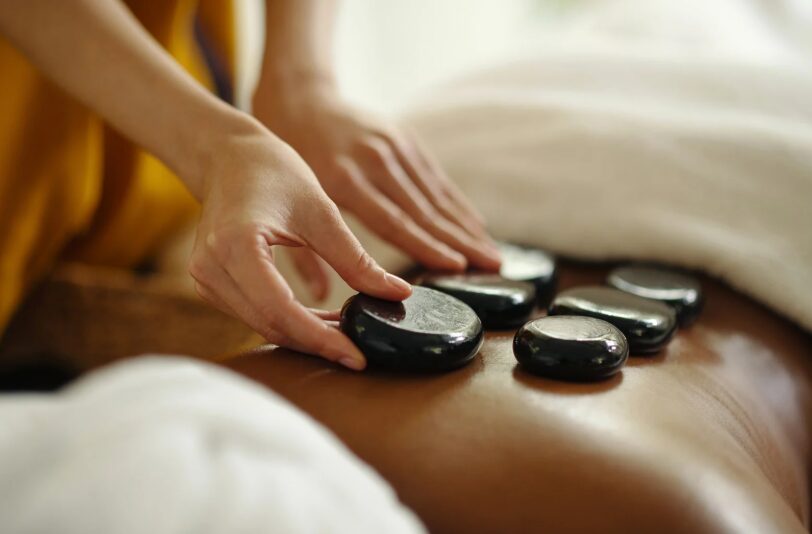
The stones used in hot stone massage are almost always basalt, a smooth volcanic rock chosen for its high iron content, which allows it to retain heat steadily and evenly. Basalt stones are heated in water to roughly 130 to 145 degrees Fahrenheit, a temperature hot enough to transfer therapeutic warmth into your muscles but never hot enough to burn when placed on intact skin by a trained therapist. Your therapist checks each stone before it touches you, adjusts as needed during the session, and uses thin oil or lotion as a barrier in many cases.
A typical session begins with traditional Swedish-style warm-up strokes using the therapist’s hands. The stones come in once your muscles have begun to relax and your skin has warmed. Stones are strategically placed along the spine, under the shoulders, in the palms, and sometimes between the toes, while the therapist uses additional stones in their hands to work larger muscle groups. This combination of placement and active massage is where the interesting body responses start.
What Happens to Your Muscles in the First Five Minutes
When a heated stone makes contact with your skin, the first thing that happens is a rapid change in the muscle tissue beneath it. Heat causes muscle fibers to relax and lengthen more quickly than they would under massage pressure alone. Tight, guarded muscle has a natural response to sustained warmth: it begins to let go. Within a few minutes of contact, the tissue under a warm stone is measurably more pliable than it was when you walked in.
Because the heat is doing some of the work that pressure would otherwise have to do, your therapist can reach deeper muscle layers without needing the firm, sometimes uncomfortable pressure that characterizes a typical deep tissue massage. The same therapeutic effect happens, but through a gentler path. If you have avoided deeper bodywork because you find firm pressure uncomfortable, hot stone massage may give you access to benefits that would otherwise be out of reach.
The loosening effect also builds on itself. As one area of tissue relaxes, neighboring muscles often relax too, partly through fascial connections and partly through the nervous system’s recognition that it no longer needs to guard the warmed area. By 15 or 20 minutes into a session, many clients describe a feeling of their whole body softening in a way that is rare outside of sleep or sauna work.
What Happens to Your Circulation
Heat is one of the most effective ways to change blood flow in a local area. As the warmth from the stones penetrates your skin and muscle tissue, your capillaries and small blood vessels dilate, a process called vasodilation. More open vessels mean more blood is flowing through the warmed tissue than was flowing through it moments before, and that extra circulation is delivering something useful. Fresh oxygen and nutrients arrive to muscle cells that may have been under-perfused from chronic tension, and metabolic waste products that had been sitting in those tissues begin to flush out toward your lymphatic and venous systems for removal.
For muscle groups that have been chronically tight, this circulatory shift can be meaningful. Tissue that has been starved of good blood flow for weeks or months gets a sudden delivery of healing material, which is part of why hot stone work often feels so restorative. Clients with chronic neck and shoulder pain, tension headaches, or repetitive strain patterns frequently report relief that outlasts the session itself, and the circulation change is a big part of that.
The effect is also systemic, not just local. Multiple areas of your body receiving heat simultaneously, combined with the overall relaxation of the session, creates a whole-body circulation shift. Your heart rate typically slows while your peripheral circulation opens up, a pattern that supports oxygen delivery to tissues throughout the body. This is also part of why hot stone sessions can pair beautifully with time in an infrared sauna, which produces a similar circulatory response through a different mechanism.
What Happens to Your Nervous System
While your muscles are relaxing and your circulation is opening, something just as significant is happening in your nervous system. The combination of warmth, gentle pressure, and rhythmic touch is one of the most powerful signals your body can receive to shift into the parasympathetic branch of the autonomic nervous system, often called the rest and digest mode. For most adults in Austin and San Antonio, this is a state we visit far too briefly and far too rarely.
When you enter parasympathetic dominance, a cascade of changes follows. Your breathing slows and deepens. Your heart rate decreases. Digestion resumes activity that had been suppressed under stress. Muscle tension releases not just where the stones are touching but throughout the body. This is the state your body uses to repair, restore, and process accumulated stress. A good hot stone session is essentially an hour-long invitation into it, which is why so many clients fall asleep partway through.
Research has documented measurable changes in stress hormone levels during and after massage, including hot stone work. Cortisol, the primary stress hormone, tends to drop during a session, while serotonin and dopamine levels rise. The warmth-plus-touch combination appears to produce a stronger parasympathetic response than massage alone, which is part of why hot stone sessions feel different from a Swedish or standard therapeutic massage.
What Happens to Your Lymphatic System
Your lymphatic system, the network that manages immune function and fluid balance, also responds to heat and massage together. Unlike your cardiovascular system, your lymphatic network has no central pump, so it relies on muscle contraction, movement, and external stimulation to keep lymph fluid moving. Heat and gentle pressure both encourage that flow, supporting your body’s ability to clear waste, move immune cells where they are needed, and balance fluid in tissues.
While hot stone massage is not a substitute for specialized lymphatic drainage work when someone truly needs it, the modality does produce supportive effects for general lymphatic health. Many clients notice that they need to urinate more frequently in the hours after a session, which is often a sign of the fluid balance adjustments happening in the background. Staying well hydrated after your session gives your body what it needs to complete this process comfortably.
There is also emerging research on how heat therapy specifically interacts with immune function. Some studies suggest that regular exposure to therapeutic heat stimulates white blood cell production and supports overall immune resilience. Combined with the cortisol-lowering effects of massage, which is relevant because high cortisol suppresses immune activity, hot stone therapy may offer a modest but meaningful boost to immune function, particularly during the stressful fall and winter months.
What Happens After You Leave the Table
The body’s response to a hot stone session does not end when you get dressed and walk out. The physiological changes you experienced on the table continue for hours, and in some cases days, afterward. Your core body temperature, which rose during the session, begins to drop steadily in the hours that follow. This gradual cooling is one of the physiological cues your brain uses to initiate sleep, which is part of why so many clients report unusually deep sleep on the night of a hot stone massage.
The circulatory changes also persist. Tissues that received improved blood flow during the session continue to benefit from that change for some time afterward, which is why clients often wake up the next day feeling looser and more mobile than they have in weeks. The stress hormone adjustments tend to outlast the session as well, giving you a buffer against whatever your next stressful day throws at you.
Mild soreness in specific muscles for 24 to 48 hours after a hot stone session is occasionally reported, particularly if the therapist incorporated deeper work alongside the heat. This is usually the good kind of soreness, similar to what you might feel after an effective workout, and it typically resolves on its own. Drinking water, moving gently, and getting good sleep supports your body through this adjustment.
Who Should Skip or Modify Hot Stone Massage
The heat component of hot stone massage is what makes it so effective, but it is also what creates a longer list of contraindications than a standard massage. Heat raises core body temperature, encourages vasodilation, and requires reliable skin sensation to be delivered safely, which means several medical situations call for either modification or skipping the modality entirely.
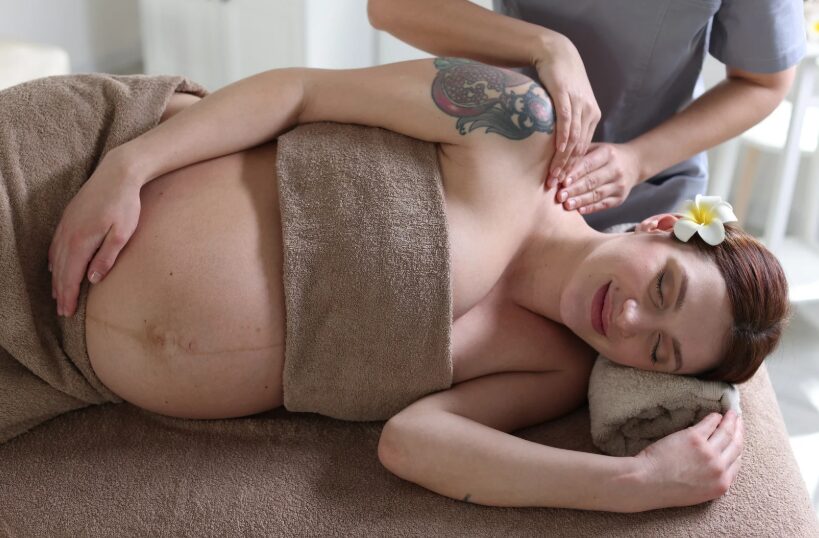
Pregnancy is the most common case to flag. Raising core body temperature is not recommended during pregnancy, particularly in the first trimester, so many therapists will not offer hot stone work to expecting mothers regardless of trimester. Anyone with diabetes, peripheral neuropathy, multiple sclerosis, or another condition that affects skin sensation should also skip hot stone or discuss it carefully with a therapist first, since the ability to feel temperature accurately is essential to avoiding burns. Cardiovascular conditions, including uncontrolled high blood pressure and heart disease, also warrant caution because the circulatory demands of the session may be more than a compromised cardiovascular system can handle comfortably.
Other situations that call for skipping or modification include active inflammation or fresh injuries, since heat increases blood flow and therefore swelling; blood thinners or any medication that affects bleeding or heat regulation; skin conditions like eczema or psoriasis that can be aggravated by heat; recent chemotherapy, radiation, or surgery; and any skin that has open wounds or unhealed incisions. When in doubt, a short conversation with your doctor before booking is always worthwhile, and our team is happy to talk through what service would be a better fit if hot stone turns out not to be right for your situation.
How Often to Schedule Hot Stone Sessions
Like most wellness modalities, hot stone massage produces stronger benefits with consistent use than with occasional visits. Most clients who use hot stone as a primary modality book monthly sessions, while those using it for specific issues like chronic neck tension, sleep difficulty, or stress management often book biweekly during acute periods and monthly for maintenance once their symptoms improve.
If you are trying to figure out the right cadence for your situation, our guide on how often you should get a massage offers a framework you can adapt to hot stone specifically. A membership often makes regular sessions more affordable and practical, which matters for hot stone clients since the cumulative benefits on sleep, stress, and chronic tension really build with consistency.
Many Austin and San Antonio clients also alternate between hot stone and other modalities depending on the week. Hot stone when they need restoration, deeper work when they need tissue release, sauna when they need pure recovery. A thoughtful rotation across modalities matches different needs to the right tool and keeps your wellness routine from ever feeling stale.
Frequently Asked Questions
Does a hot stone massage hurt?
No. Hot stone massage is one of the gentler, more sensory forms of bodywork. The stones are heated to a temperature your skin can safely tolerate, and the massage strokes are fluid rather than intense. Some clients experience mild soreness the next day, particularly if deeper work was incorporated, but the session itself should feel warming and restorative, never painful.
Can I combine hot stone with other massage techniques?
Yes. Many therapists integrate hot stone with Swedish, deep tissue, or sports massage techniques within a single session, using the heat to prepare the tissue and then moving between stones and hands-on work based on what your body needs. If you want a specific blend, mention it during intake so your therapist can customize accordingly.
How long does a hot stone session usually last?
Sessions typically run 50 to 80 minutes. The first 10 to 15 minutes are usually dedicated to warming up the tissue with standard strokes before the stones are introduced, so a 50-minute session may feel shorter than a regular 50-minute massage when measuring actual stone contact time. An 80-minute session gives the therapist more time to work through multiple areas with the heated stones.
How does hot stone massage differ from a regular massage with a heating pad?
The difference is in how heat is delivered and how it interacts with the massage itself. Hot stones are actively worked across your muscles by the therapist, which means the heat moves with the massage rather than sitting stationary in one area. Basalt stones also retain and deliver heat more evenly than most heating pads, and the weight of the stones adds a pressure dimension that a heating pad cannot replicate.
Will I fall asleep during the session?
Many clients do, and that is fine. Falling asleep is a sign that your nervous system has successfully shifted into parasympathetic mode, which is exactly where hot stone massage is designed to take you. Your therapist will continue the session as planned, and you will still receive the full benefits even if you drift off. Most clients wake up refreshed and slightly disoriented, which passes within a few minutes.
What should I do after my session?
Drink water aggressively, avoid heavy meals or intense exercise for a few hours, and plan for a relaxed rest of the day if you can. A warm shower or an early bedtime often extends the benefits of the session. Avoid cold exposure like ice baths or cold showers immediately afterward, since sudden temperature shifts can undo some of the circulatory and nervous system benefits of the session.
About Oak Haven Massage
Oak Haven Massage is a therapist owned wellness studio serving the Greater Austin and San Antonio regions, with therapists trained in hot stone, deep tissue, prenatal, sports, craniosacral, and a range of other modalities. Our team trains well beyond a standard massage license, and every session is personalized to your body, your goals, and your history. You can meet the teams at our Austin MoPac/2222, Austin Pecan Park, and Austin South First studios and find the therapist whose approach fits your needs best.
Ready to Feel the Difference for Yourself?
If a slower, warmer, more restorative session sounds like what your body has been asking for, our hot stone therapists are ready to help. Book a session at our San Antonio Bulverde or San Antonio Huebner studio and find out why so many clients describe hot stone massage as one of the most memorable sessions they have ever had. Book your appointment online at oakhavenbooking.com.