

How Lymphatic Drainage Massage Supports Recovery After Surgery or Illness
Recovery does not always follow the script we imagine. After a surgery or a serious illness, many people are surprised by how much swelling lingers, how slowly the bruises fade, and how heavy the body can feel for weeks beyond what they expected. What their surgeons and doctors often tell them next is worth paying attention to: consider lymphatic drainage massage. At Oak Haven Massage, we see a steady stream of clients in exactly this situation, arriving with instructions from their medical team and looking for a bodywork approach that is gentle enough to match where their body is at in its healing.
Lymphatic drainage massage is fundamentally different from most other forms of bodywork. It uses very light, rhythmic pressure to support a specific system in your body, the lymphatic system, which plays an essential role in immune function, fluid balance, and recovery. Understanding what this massage actually does, when it helps most, and when you should skip it matters more than with almost any other modality, because the context of your recovery shapes whether and how lymphatic drainage is appropriate for you.
What the Lymphatic System Does
To understand why lymphatic drainage massage matters during recovery, it helps to know a little about the system it is working with. Your lymphatic system is a network of vessels, nodes, and organs that runs throughout your body, parallel to your circulatory system. Its primary jobs are moving a clear fluid called lymph through the body, filtering out pathogens and waste through lymph nodes, and returning filtered fluid back to the bloodstream. In plain terms, it is one of the ways your body manages inflammation, infection, and fluid balance.
Unlike your circulatory system, which has the heart pumping blood continuously, your lymphatic system has no central pump. It relies on muscle contractions, breathing, and movement to keep fluid flowing. When illness, surgery, or injury disrupts this flow, lymph can collect in tissues, causing swelling, discomfort, and sometimes a condition called lymphedema, which is persistent swelling from lymphatic fluid buildup.
This is where lymphatic drainage massage comes in. By applying specific, gentle pressure in the direction of lymph flow and toward the nearest functioning lymph nodes, a trained therapist helps move stagnant fluid out of congested tissue and back into circulation. The work is far lighter than a standard massage; many people comment that it feels almost too gentle to be doing anything. That lightness is deliberate and necessary.
How Lymphatic Drainage Massage Supports Recovery
After surgery or illness, your body is often dealing with three interrelated challenges: localized swelling, reduced circulation in healing tissues, and an immune system working overtime to repair damage. Lymphatic drainage massage can support each of these in meaningful ways, which is why it has become a standard recommendation in many post-surgical protocols.
The most immediate benefit is swelling reduction. After many types of surgery, fluid accumulates in surrounding tissues because the lymphatic pathways that would normally drain that fluid have been disrupted. Gentle lymphatic massage helps coax that fluid out of congested areas and toward nodes that can process it, which reduces visible swelling and the uncomfortable feeling of tightness or fullness that comes with it.
Healing also tends to speed up because lymphatic drainage supports microcirculation in the tissues. Better fluid movement means better delivery of oxygen and nutrients to recovering cells and more efficient removal of healing byproducts. This is part of why many surgeons, particularly those performing cosmetic procedures, joint replacements, and cancer-related surgeries, recommend lymphatic drainage as part of standard recovery.
There are less obvious benefits too. Many clients report feeling lighter, more mobile, and mentally clearer after lymphatic work, partly because reduced swelling eases pressure on nerves and partly because the gentle, rhythmic nature of the massage activates the parasympathetic nervous system in a way that supports rest and healing. For someone in the middle of a demanding recovery, that restorative quality is meaningful on its own.
When Lymphatic Drainage Massage Is Most Helpful
Not every recovery benefits equally from lymphatic drainage, but certain situations have strong evidence and widespread medical support for its use. Post-cosmetic surgery recovery is one of the most common. Procedures like liposuction, tummy tucks, facelifts, and breast augmentation disrupt the skin’s lymphatic channels, and many surgeons recommend starting gentle lymphatic work within days to weeks of the procedure depending on the surgery type. Your surgeon’s timing instructions should always take precedence over general recommendations.
Cancer-related surgery recovery is another area where lymphatic drainage has strong support. Procedures that involve lymph node removal, most notably breast cancer surgery, can leave patients at risk for lymphedema, and trained lymphatic drainage specialists are often part of a comprehensive oncology care team. If you are in cancer treatment or recovery, work only with a therapist who has specific training and experience with oncology clients, and always coordinate with your medical team.
Joint replacement surgery is a third category where lymphatic drainage can meaningfully shorten recovery time by reducing swelling around the surgical site. The same is true for many abdominal surgeries, spinal procedures, and any operation that produces significant post-surgical edema. Patients recovering from serious illness, including severe respiratory illness, chronic Lyme disease, and post-COVID recovery, also sometimes benefit from gentle lymphatic work to support immune function and fluid clearance.
For general wellness, lymphatic drainage is less focused but still useful. Some clients book sessions during seasonal illness, after heavy travel, during periods of stress, or simply as part of a monthly routine to support their immune system.
What a Session Actually Looks Like
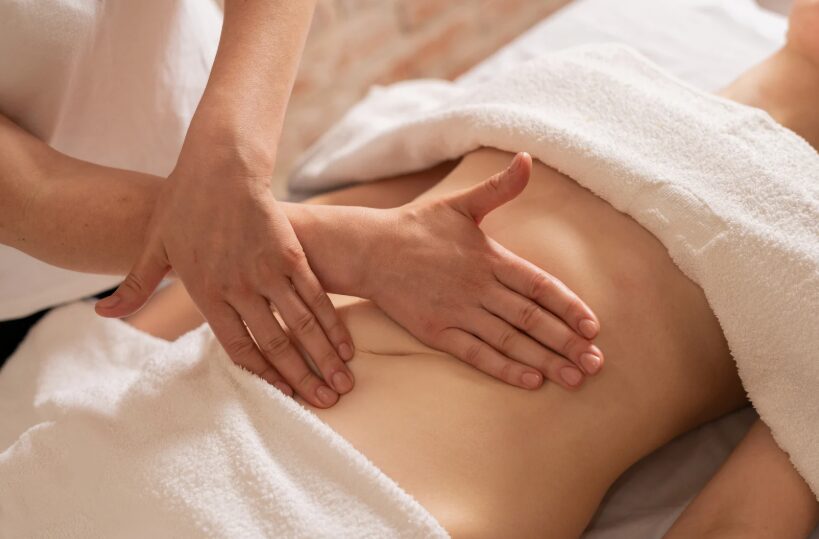
If you have had a standard massage, a lymphatic drainage session will feel different from the first touch. The pressure is extremely light, often described as the weight of a nickel, and the movements are slow, rhythmic, and repetitive. Most of the work happens on the skin’s surface rather than in the deeper muscle layers, which is where the lymphatic vessels actually are.
A session typically starts with clearing, meaning gentle work at the major lymph node clusters: the neck, armpits, abdomen, and sometimes the groin with your consent. This prepares those drainage points to accept fluid from further down the chain. From there, your therapist moves sequentially through the body, working from congested areas toward the cleared lymph nodes in a specific order designed to support fluid flow rather than disrupt it.
Sessions generally run 45 to 60 minutes for most conditions, though some post-surgical protocols call for shorter, more frequent visits. You remain draped appropriately throughout, and the treated areas are accessed as needed. Many people find the work so relaxing that they fall asleep, which is part of the point. The parasympathetic response activated by light, rhythmic touch supports both healing and general calm.
After the session, you may notice that you need to urinate more than usual as your body processes the mobilized fluid, and some clients report feeling lightly fatigued for the rest of the day. Both are normal and usually resolve within 24 hours. Drinking water aggressively after the session supports the elimination process.
What Lymphatic Drainage Is Not
It is worth being honest about what lymphatic drainage cannot do. Despite what some wellness marketing suggests, a lymphatic massage will not dramatically reshape your body, eliminate cellulite permanently, or remove toxins in any meaningful scientific sense. The lymphatic system processes waste continuously on its own; lymphatic massage simply supports that natural process when it has been slowed by illness, surgery, or dysfunction.
Research on lymphatic drainage is strongest for specific medical applications: lymphedema management, post-cosmetic-surgery recovery, and support during cancer care. Evidence for other commonly marketed applications, including weight loss, detoxification, and general cosmetic improvement, is weaker or absent. If a provider is selling lymphatic drainage as a quick cosmetic fix, that is a sign to choose a different practitioner who can talk about the modality accurately.
A study published in the Journal of Plastic, Reconstructive and Aesthetic Surgery, for example, found that manual lymphatic drainage did not show statistically significant improvement in post-liposuction recovery outcomes compared to compression therapy alone. This does not mean lymphatic massage is useless in that context; many surgeons still recommend it, and patient experience often supports its value. It does mean that compression garments, proper movement, and your surgeon’s overall protocol are the foundation, and lymphatic massage is a supportive addition rather than a standalone cure.
When to Skip or Postpone Lymphatic Drainage Massage
Because lymphatic drainage massage interacts directly with systems that can be affected by various medical conditions, there are real contraindications to be aware of. You should not book lymphatic drainage, or should clear it with your doctor first, if you have any of the following: active infection, including cellulitis or systemic infection, as lymphatic work could potentially spread it. History of stroke, blood clots, or deep vein thrombosis. Heart failure or significant cardiovascular disease. Kidney or liver failure. Active bleeding, open wounds, or unhealed surgical sites not yet cleared by your surgeon.
Pregnancy requires specific consideration. Many lymphatic drainage techniques are considered safe during pregnancy, but some are not, and any bodywork during pregnancy should be performed by a therapist with specific prenatal training who can adjust their approach accordingly.
Certain cancers and cancer treatment phases also warrant caution, though this is not a blanket contraindication. Many oncology patients benefit significantly from lymphatic drainage performed by trained specialists, and the technique has an established role in cancer care. The key is working with a therapist who has oncology-specific training and coordinating with your medical team on timing and approach.
If you have any chronic medical condition, take prescription medications, or are recovering from a recent surgery or illness, a short conversation with your doctor before booking is always worthwhile. A qualified therapist will also ask detailed intake questions and adjust or decline the session if something in your situation suggests caution.
How It Differs From Other Forms of Massage
If you are used to deeper bodywork, lymphatic drainage will feel unusual, and understanding the difference helps set the right expectations. A typical deep tissue massage uses firm pressure to work through muscle layers, release adhesions, and address chronic tension. Lymphatic drainage uses pressure so light it barely registers as pressure, because the lymphatic vessels lie just below the skin and respond better to gentle stimulation than to deep work. Deeper pressure would actually push lymphatic vessels closed rather than open them.
The pace is also different. Lymphatic work is slow and rhythmic, designed to match the natural flow of lymph rather than to stimulate muscles or fascia. Sessions tend to feel more meditative than therapeutic in the usual sense, and many clients describe the experience as subtle, quiet, and almost strange until they feel the effects over the following day.
You may not feel the full benefit immediately. Where a deep tissue session often produces noticeable relief right off the table, lymphatic drainage effects tend to build over hours as your body processes the mobilized fluid. You may notice reduced swelling by the following morning, a lighter feeling in the affected area, and sometimes a noticeable improvement in mood and energy. Several sessions over a couple of weeks often produce more substantial changes than any single visit.
Choosing a Therapist and Scheduling Your Sessions
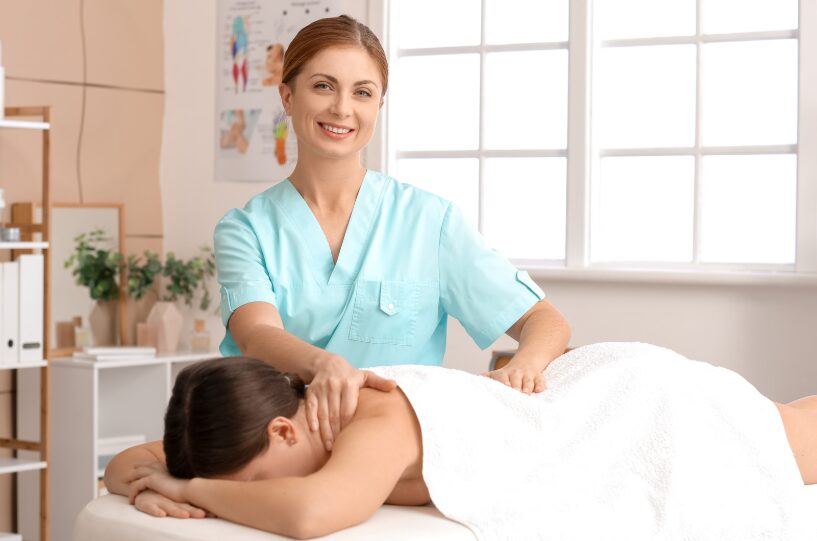
Not all massage therapists are trained in lymphatic drainage, and this is a case where specific certification matters. Look for therapists who have completed specialized training, often designated as certified lymphedema therapists or practitioners who have completed manual lymphatic drainage programs. Ask about their experience with conditions similar to yours, whether they have worked with post-surgical or oncology clients before, and how they coordinate with medical providers.
For post-surgical recovery, your surgeon or medical team will usually give you timing guidance. In general, lymphatic drainage for cosmetic surgery often starts within a few days to a week after the procedure, while major surgeries like joint replacements typically wait longer. Follow your surgeon’s instructions, not generic advice from the internet or well-meaning friends.
Frequency also varies by goal. Post-surgical protocols often start with two to three sessions per week for the first two to four weeks, tapering as swelling resolves. Maintenance and wellness use typically involves sessions every two to four weeks. Our guide on how often you should get a massage offers a general framework, though lymphatic drainage during active recovery may warrant a more frequent schedule than that framework suggests.
A membership can make a more frequent initial schedule more affordable, particularly during the intensive first few weeks of post-surgical recovery. Once your recovery is well underway, you can adjust to a maintenance cadence that fits your life. Some clients also pair lymphatic drainage with other restorative tools, such as time in the infrared sauna once cleared by their medical team, to support overall recovery.
Frequently Asked Questions
How soon after surgery can I start lymphatic drainage massage?
Timing depends on your specific surgery and your surgeon’s recommendations. For many cosmetic procedures, lymphatic drainage can start within a few days to a week. For joint replacements and major surgeries, the wait is often longer. Always follow your surgeon’s guidance and bring their clearance or instructions to your first appointment.
How many sessions will I need during recovery?
Post-surgical protocols typically call for two to three sessions per week for the first two to four weeks, tapering as swelling resolves. Total session counts often land between six and twelve, though some recoveries need more and others need fewer. Your therapist can recommend a schedule based on your specific situation and adjust as your recovery progresses.
Does lymphatic drainage massage hurt?
No. It is one of the gentlest forms of bodywork available. The pressure is very light, and most clients describe it as almost too gentle to be effective, which is a common misconception. The technique is designed to work with the lymphatic system’s natural rhythms, and deep pressure would actually undermine its effectiveness.
Can I combine lymphatic drainage with other massage work?
Sometimes, but not usually in the same session during active recovery. Once your acute recovery phase is complete, lymphatic drainage can be combined with other modalities as appropriate. During the early weeks after surgery or illness, however, sticking with lymphatic drainage alone is usually the safest approach unless your medical team advises otherwise.
Will my insurance cover lymphatic drainage massage?
Sometimes, particularly for specific medical conditions like lymphedema that are managed by certified lymphedema therapists. For general wellness or post-cosmetic surgery, insurance coverage is less common. Check with your insurance provider and ask your therapist whether they can provide documentation for HSA or FSA reimbursement.
How is this different from a regular massage?
The pressure is far lighter, the movements are slower and more rhythmic, and the work focuses on the skin’s surface rather than deeper muscle layers. The goal is to support lymphatic flow rather than to release muscle tension. Many people need at least one full session to understand the difference, since the work feels so subtle during the session yet often produces noticeable changes afterward.
About Oak Haven Massage
Oak Haven Massage is a therapist owned wellness studio serving the Greater Austin and San Antonio regions. Our team trains well beyond a standard massage license and includes therapists with specialized training in lymphatic drainage, prenatal, oncology-informed bodywork, sports massage, and more. Every session is personalized to your body, your medical context, and your goals, and we work closely with our clients and their medical teams when recovery is part of the picture. You can meet the teams at our Austin MoPac/2222, Austin Pecan Park, and Austin South First studios for consultation and ongoing care.
Ready to Support Your Recovery?
If you are recovering from surgery, illness, or an extended health challenge and want to explore whether lymphatic drainage massage belongs in your recovery plan, our trained therapists can help you figure that out. Book a session at our San Antonio Bulverde or San Antonio Huebner studio and work with a therapist who understands how to support you where you are in the healing process. Book your appointment online at oakhavenbooking.com.