
How Cupping Therapy Works and Why Central Texas Clients Love It
If you have ever watched Olympic swimmers emerge from the pool with circular marks dotting their shoulders and wondered what was going on, you already have some familiarity with cupping therapy. What Michael Phelps brought into mainstream attention in 2016 has been practiced for thousands of years across Chinese, Egyptian, and Middle Eastern medical traditions, and it remains one of the most effective tools for releasing tight muscles, easing chronic pain, and supporting recovery. At Oak Haven Massage, cupping is one of the modalities our Central Texas clients request by name, often returning for session after session once they feel what it can do.
Cupping therapy uses suction rather than pressure, which is part of what makes it so different from standard massage. Instead of pushing into tight tissue, the cups lift the skin and underlying fascia upward, creating negative pressure that pulls blood flow into the area and decompresses restricted muscle. The result is a treatment that reaches places and patterns that hands alone cannot, which is why so many athletes, desk workers, and chronic pain sufferers across Austin and San Antonio have added it to their wellness routines.
What Cupping Therapy Actually Is
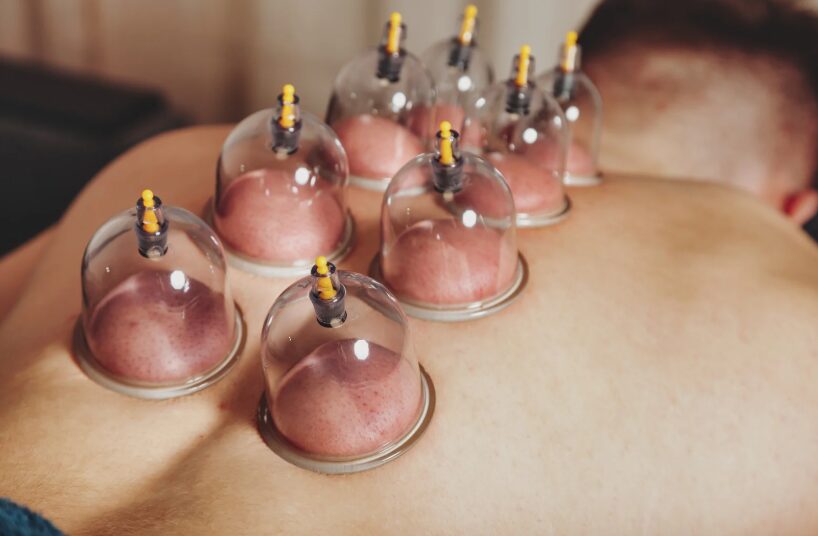
Cupping therapy is a form of bodywork that uses small cups to create suction on the skin. Those cups, traditionally made of glass, bamboo, or ceramic but today often silicone or plastic with built in pumps, are applied to specific areas of the body and held in place for several minutes. The suction pulls the skin, fascia, and superficial muscle tissue upward into the cup, creating a kind of reverse pressure that most other bodywork techniques cannot replicate.
The practice has deep historical roots. The earliest recorded use of cupping comes from the Ebers Papyrus of ancient Egypt, dating to around 1550 BCE, and documented Chinese cupping practices stretch back nearly as far. Over centuries, the technique spread through Middle Eastern, Greek, and eventually European medicine before becoming widely practiced in modern traditional Chinese medicine, Korean medicine, and Islamic medicine. What you will experience at a modern Austin or San Antonio wellness studio is a refined version of the same essential practice.
Modern cupping is sometimes called myofascial decompression, a term that captures the mechanism more precisely than the word “cupping” does. By lifting tissue rather than compressing it, cupping targets the layers of muscle, fascia, and lymph that often hold tension in ways that traditional massage cannot easily access.
The Different Types of Cupping
Not all cupping is the same, and understanding the main variations helps you know what to expect from a session. The two broad categories are dry cupping, which is by far the most common in Western wellness settings, and wet cupping, which involves small skin pricks to draw a small amount of blood and is rarely offered outside of specialized traditional medicine practices. Most studios you walk into will offer dry cupping only.
Within dry cupping, several techniques exist. Fire cupping is the classical approach, in which the therapist briefly heats the inside of a glass cup with a flame to create a vacuum as the air cools. Air cupping, also called pump cupping, uses a silicone or plastic cup with a handheld suction pump to achieve the same effect without fire, and it is the most common method in modern American studios. Silicone cupping uses flexible cups that a therapist squeezes and releases to create suction.
There is also static cupping, where the cups are placed and left in position for several minutes, and sliding or massage cupping, where the therapist moves the cups across oiled skin to combine suction with a dragging, gliding effect. Many sessions use a mix of both, with static cups placed on tight muscle groups and sliding cupping used across broader areas of the back, shoulders, or legs.
How Cupping Therapy Works in Your Body
The mechanisms behind cupping’s effects are not fully understood, but several theories help explain why it tends to produce such noticeable results. The most direct effect is mechanical: the suction lifts skin, connective tissue, and superficial muscle upward, which stretches tight fascia, separates adhered tissue layers, and encourages blood to flow into areas that may have been under perfused for a long time.
Increased local blood flow is part of why the skin under a cup often reddens and why clients frequently feel a warm, almost buzzing sensation in the area after the cups are removed. This circulation boost delivers oxygen and nutrients to muscle tissue and helps flush metabolic waste, which is why cupping is often used for recovery from heavy training or long periods of desk work.
The nervous system also plays a role. Cupping stimulates peripheral nerve fibers, which may interrupt pain signals through a mechanism known as the Pain Gate Theory, in which competing sensory input reduces the perception of pain at the level of the spinal cord. This helps explain why clients often feel relief from chronic pain that seems disproportionate to the gentleness of the treatment itself. There may also be effects on the parasympathetic nervous system similar to what traditional massage produces, which is why a good cupping session often leaves you feeling both looser and more relaxed than you did walking in.
Benefits and What the Research Says
Research on cupping has expanded significantly in the past decade, and while the quality of individual studies varies, the overall picture supports many of the benefits practitioners and clients have described for generations. A 2015 review published in the Journal of Traditional and Complementary Medicine concluded that cupping could significantly reduce musculoskeletal pain. A 2018 study in PLoS One found that cupping therapy effectively alleviated chronic neck and shoulder pain. Additional research has suggested benefits for reducing inflammation and supporting soft tissue recovery.
Most Central Texas clients come to cupping for one or more of a few specific reasons. Pain relief tops the list, with chronic back pain, neck tightness, shoulder tension, and headaches responding particularly well. Muscle recovery is a close second, especially among runners, cyclists, and CrossFit athletes who use cupping to support faster turnaround between training sessions. Improved range of motion, reduced muscle stiffness, and a general sense of physical decompression round out the benefits list.
Beyond the physical, cupping often produces a deep relaxation response. The combination of still, sustained suction and focused attention on tight areas has a settling effect on the nervous system. Clients often describe feeling lighter, calmer, and more at home in their bodies after a session, which is part of why cupping has become such a regular addition to many wellness routines.
What to Expect During Your First Session
If you have never had cupping before, the experience is probably different from what you are imagining. Your therapist will start with a short consultation about your goals, any areas of concern, and your medical history. You will then get comfortable on the table, usually face down for back and shoulder work, with the area to be treated exposed and oiled if sliding cupping is part of the plan.
The cups themselves are applied one at a time. When the suction engages, you will feel a distinct pulling sensation that can feel intense at first but usually settles within seconds. Most people describe the feeling as strong but not painful, more like a firm tugging or lifting than the bracing that comes with deep tissue work. Static cups are typically left in place for five to fifteen minutes while the therapist works on other areas, and sliding cups are moved across the skin in smooth, continuous strokes.
A full session runs 30 to 60 minutes depending on how many areas you are treating. Cupping is often integrated with other bodywork, including deep tissue massage and assisted stretching, and your therapist may combine techniques within a single appointment based on what your body needs that day.
About Those Circular Marks
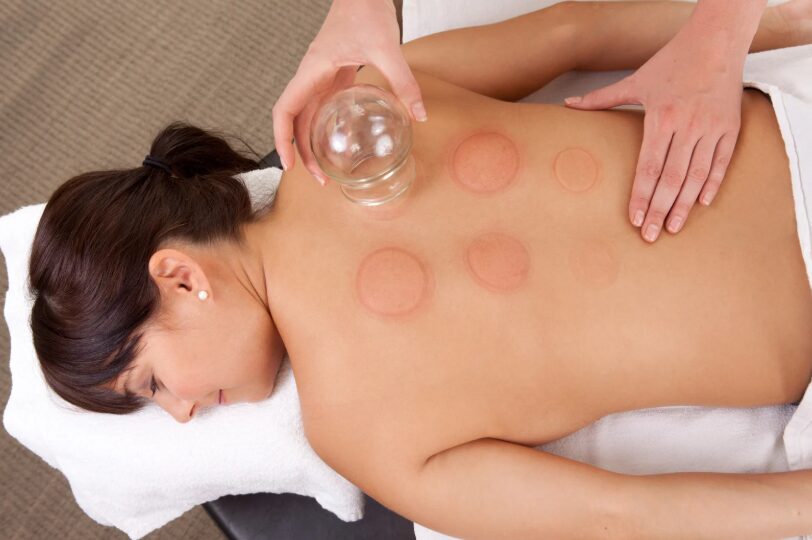
One of the most distinctive aspects of cupping is the circular marks it can leave behind, and it is worth understanding what those marks actually are before you book. Despite their appearance, they are not bruises in the traditional sense. Cupping marks are called ecchymosis, and they result from the suction drawing stagnant blood and lymph to the skin’s surface from deeper tissues. Unlike a bruise caused by impact, cupping marks are usually not painful to the touch.
The color varies based on how much congestion existed in the tissue. Light pink or red marks suggest relatively healthy circulation, while darker purple or brown marks often indicate areas where blood and lymph had been stagnant for some time. Most marks fade within three to ten days. In areas with significant tightness or chronic tension, the marks may be more pronounced during your first few sessions and lighten over time as your circulation improves.
If you have an important event, photo session, or beach vacation coming up, plan your cupping session accordingly. The marks typically appear on the back, shoulders, or wherever the work was focused, and while they fade quickly, they are very visible while present. Most clients learn to see them as a kind of body map that shows where their tension lives.
Who Cupping Works Best For and Who Should Skip It
Cupping is a strong fit for people dealing with chronic muscle tension, back and neck pain, tight shoulders, athletic recovery needs, and postural patterns from long hours at a desk. It is also useful for stress relief, and many clients book it alongside or instead of traditional massage when they want deeper tissue effects without the bracing that deep pressure sometimes produces.
A handful of situations call for caution or postponement. Cupping is not recommended for people with bleeding disorders, for those taking blood thinners, or for anyone with active skin infections, open wounds, severe eczema, or psoriasis in the treatment areas. It should also be avoided during pregnancy and by people with severe heart, kidney, or liver conditions, those with pacemakers, and anyone with hemophilia or certain anemias.
If you have any chronic medical conditions, are on prescription medications, or have concerns about whether cupping is appropriate for you, speak with your healthcare provider before booking. A qualified therapist will also ask detailed intake questions and adjust or decline the session if anything about your situation suggests caution is warranted.
How Cupping Fits Into a Wellness Routine
Cupping works well as a standalone treatment, but many clients find the greatest benefits when they combine it with other modalities. For athletic recovery, cupping pairs beautifully with sports massage or deeper bodywork, with the cups addressing fascial restrictions and the hands addressing muscle tension. For chronic pain, cupping can be alternated with massage across weekly or biweekly sessions, giving your body varied input and keeping restrictions from reestablishing.
Pairing a cupping session with time in the infrared sauna extends the circulation and recovery benefits, and many Central Texas clients book the two together for a deeper reset. The sauna’s heat supports the tissue decompression work the cups have already started, and the combination tends to leave clients feeling meaningfully calmer for several days afterward.
Frequency depends on your goals. For acute issues or significant tension, weekly sessions for three to six weeks often produce the most noticeable changes. For ongoing maintenance, biweekly or monthly sessions keep tension from accumulating and support overall recovery. If you are unsure how often to book, our guide on how often you should get a massage offers a useful framework that applies to cupping too. A membership can make regular sessions more affordable if cupping is going to be part of your routine.
Frequently Asked Questions
Does cupping hurt?
No, cupping is generally not painful. Most clients describe a strong pulling or lifting sensation when the cups engage, which can feel intense at first but usually settles quickly. The treatment should feel firm and focused but never sharp or bracing. Tell your therapist if anything feels uncomfortable so they can adjust the suction.
How long do the circular marks last?
Cupping marks typically fade within three to ten days, though they can last longer in areas with significant tension or in people who bruise easily. The marks are not painful, and they tend to be most pronounced during your first few sessions and lighten over time as your tissue responds to regular treatment.
How is cupping different from massage?
Traditional massage uses downward pressure to compress and knead muscle tissue, while cupping uses suction to lift tissue upward. The two work on different mechanisms and often produce complementary effects. Many therapists blend both techniques within a single session, using cupping to open restricted areas and hands on work to address muscle tension directly.
Can I work out after a cupping session?
It is generally best to avoid intense exercise for about 24 hours after cupping, since your tissue is adjusting to the treatment and your circulation is elevated. Light movement like walking, stretching, or gentle yoga is fine and can actually support the benefits. Drink plenty of water and let your body rest before returning to hard training.
How many sessions will I need?
This depends on your goals. For acute tension or pain, you may notice significant improvement after one to three sessions. Chronic patterns and longer standing issues usually benefit from a series of weekly or biweekly sessions over four to six weeks, followed by ongoing maintenance sessions. Your therapist can help you plan a schedule based on your specific situation.
Is cupping safe?
For most healthy adults, cupping is very safe when performed by a trained practitioner using sanitized equipment. Side effects are typically limited to the visible marks and occasional mild soreness. Cupping should be avoided by people with bleeding disorders, certain medical conditions, or during pregnancy. Always share your full medical history with your therapist before your first session.
About Oak Haven Massage
Oak Haven Massage is a therapist owned wellness studio serving the Greater Austin and San Antonio regions, with therapists trained in a wide range of bodywork modalities including cupping, deep tissue, prenatal, sports massage, craniosacral, and aromatherapy. Our team trains well beyond a standard massage license, and every session is personalized to your body, your goals, and any specific concerns you bring in. You can meet the teams at our Austin MoPac/2222, Austin Pecan Park, and Austin South First studios and find the therapist whose approach fits your needs best.
Ready to Try Cupping for Yourself?
If you are curious about what cupping can do for your muscle tension, recovery, or chronic pain, our experienced therapists are ready to help you find the right approach for your body. Book a session at our San Antonio Alamo Heights, San Antonio Bulverde, or San Antonio Huebner studio and discover why so many Central Texas clients make cupping part of their wellness routine. Book your appointment online at oakhavenbooking.com.